
Wha t is the problem?
So, you’re probably wondering if your bones are healthy, and even if you need to pay attention to what you’re eating and doing to take care of them? Maybe you know an elderly relative or friend who fractured a hip or noticed their stooped posture, but you don’t know what that has to do with your own natural/healthy lifestyle. Many times, the thinning out of our bones (osteopenia) happens over time without many noticeable signs, short of an occasional passing achy feeling in our back, bones or jaw that is until maybe we have a surprise fracture. Men and women need to pay attention because, as we age our bones change. Also, we may have let our nutrition our activity slide right when we’re taking more medications. In America, if we go with the flow, we are eating processed foods, which are weak in promoting natural health.
Osteopenia (thinning of the bone) and osteoporosis (loss of bone tissue/brittle bones) are common bone conditions that occur when the body doesn’t have enough healthy bone mass to protect itself against fractures. Current research indicates that osteoporosis affects about 10 million Americans over 40 year
s old [1] and [2] estimates suggest that one third of women aged 65 or older will experience osteoporosis, that’s 1 in 4 women over the age of 65. 33-47% of men over the age of 70, according to the American Academy of Family Physicians have osteopenia, while 4-6 % have osteoporosis.
When we’re young, our bones grow and strengthen in response to stress placed on them during physical activity. But as we age, our bones can become less dense and more prone to fracture or breakage. Our bones are constantly turning over, growing and changing but as we age, more bone is broken down than is replaced especially as our hormones change. For women, menopause is a good time to meet with your doctor to assess the density of your bones so that you can head problems off even before they take a hold. At menopause, estrogen levels decline rapidly, leaving our bones vulnerable unless we know how to reverse this naturally. For men, age 70 is a good time for this conversation.
How to stop this process naturally?
To help you avoid these p
otentially debilitating problems, what you eat, what you drink, how you exercise, sleep, stress management and the posture you maintain all impact how strong your bones remain and your risk for bone fractures. Also, certain foods can deplete us of key nutrients that build bone so are best not eaten at the same time as our calcium rich foods.
For healthy bones, as well as for our heart, muscles, and nerves, we need calcium. Calcium from food is best because we absorb it the best. We build bone when we have all the raw materials handy to pack into our bones: minerals like calcium and magnesium are key. We get calcium from foods like milk, cheese, yogurt, dark leafy greens (Kale & broccoli), fortified orange juice, canned fish containing bones like salmon and sardines. We want to rely on supplements, while important, but only to put us over the top to meet our needs.
To meet their daily requirement, women at and past menopause, need 1200 mg calcium while men, age 50-70 years need 1000 mg per day. Because one cup of milk or fortifie
d orange juice, ¾ cup yogurt, or 1.5 ounces cheese all have about 305 mg calcium each, we need about 3.5- 4 servings daily to meet our needs. Some leafy greens like Kale and broccoli have about 90 mg calcium per cup raw which is absorbed well while other vegetables are high in oxalate which binds calcium, foods like spinach, beets and others.
In addition, Vitamin D3 helps build bone. We get Vitamin D from exposure to sunlight for at least 30 minutes per day, from eating Vitamin D fortified foods like liquid milk or fortified orange juice or from supplementation. While the use of sunscreen is important for the health of our skin, it prevents us from manufacturing active Vitamin D in our skin. Because of this, we must rely on fortified foods and supplementation to get enough Vitamin D. Most people do not know that liquid milk is Vitamin D fortified with 100 IU per cup, while yogurt has zero unless you make your own from liquid milk. With current recommendations for Vitamin D ay 600-800 IU per day for both men and women, most of us will need to meet our daily need for Vitamin D through supplements in addition to what we eat. Supplements in chew form are absorbed the best.
What Foods deplete our bones?
Certain foods may surprise us when we turn our focus to our bones. We want to avoid excess sodium, more than the 2300 mg per day recommended by the American Heart Association. Eating salty foods makes us lose more calcium in our urine so it’s not available to our bones.
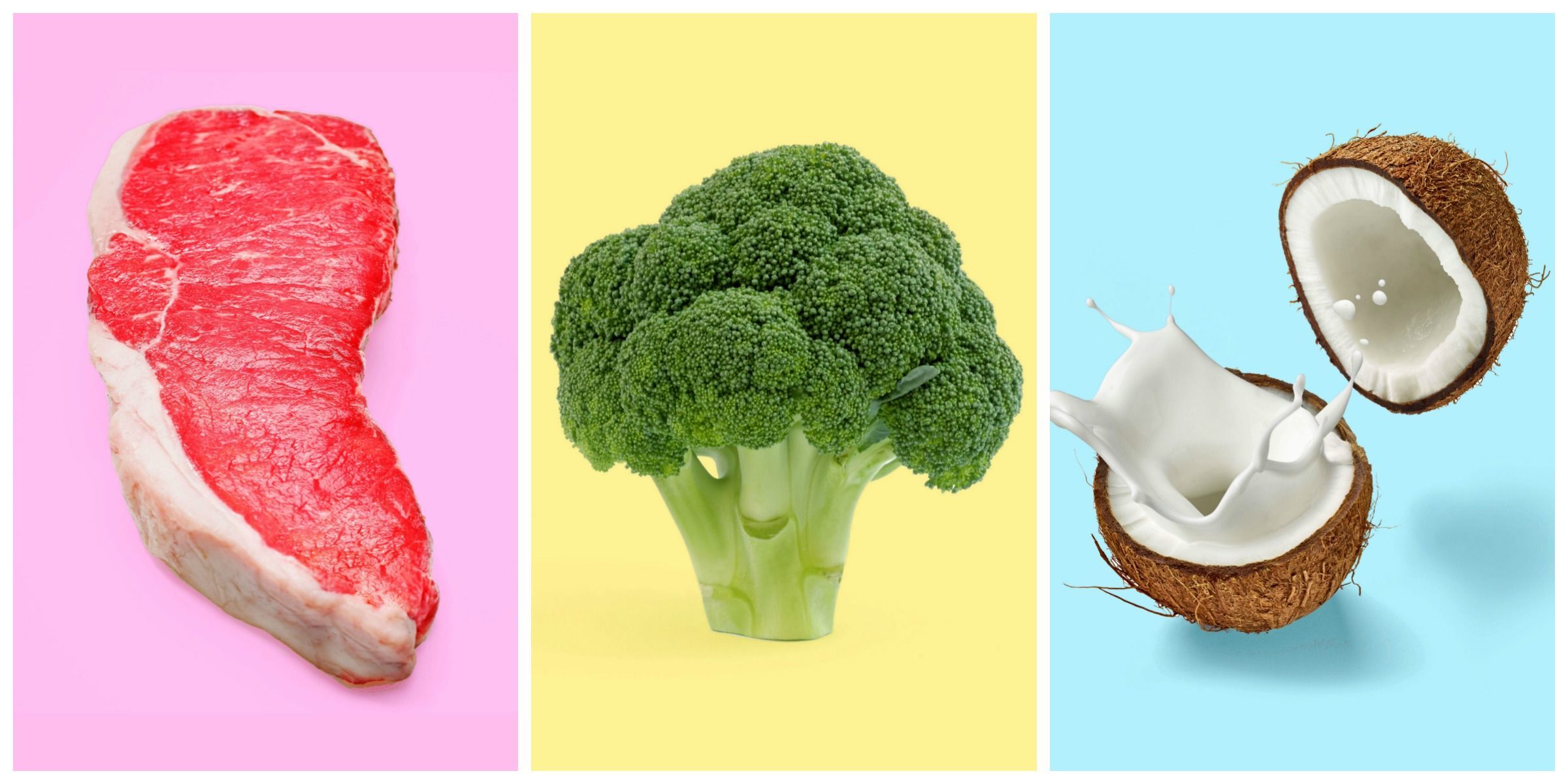
Current trends towards eating keto, a code word for many people to eat a high animal protein diet, work against healthy bones. Overeating animal protein creates an acid load on our kidneys. In this scenario, the kidneys pull calcium into the urine to neutralize the acid load, which means high protein eating routines make us urinate out more calcium. What we are after is a moderate intake of animal protein foods, like meat, fish, eggs and cheese so we don’t lose vital nutrition and incorporating more plant-based protein like beans which the kidneys process easier.
While people who are underweight, depleted and malnourished need to rebuild vital muscle tissue and infection fighting cells by pushing protein for a time, to continue to eat a high protein diet with protein shakes and excess meat/eggs etc puts their bones at risk.
Wheat bran, although important for gut and heart health, when it’s eaten at the same time as our milk or yogurt blocks the absorption of the calcium. When you eat high fiber wheat cereal and the milk in the cereal bowl together you don’t get the benefit from the milk that you would because of the cereal. Likewise, excessive (more than 3 cups per day) coffee, alcohol (more than 3 drinks/day), phosphorus rich cola sodas (more than 1-2, 12 oz cans) block our absorption of calcium and often replace our consumption of dairy products. Moderation is the key to natural eating for health.
What are Additional Habits for Naturally Healthy Bones?
Doing regular weight bearing exercise, like walking for 30 minutes, about 5 days a week causes the bones to become stronger and doing some resistance training with 3-5 lbs weights, causes the muscles to pull against the bones making them stronger. In addition, doing exercises to keep our spine aligned impacts our posture which helps strengthen our spine and prevent small fractures from occurring.
Speaking with our doctor about our other medications becomes important too. Certain medications that treat indigestion, heartburn or GERD, anti-inflammatory steroids and some of the newer anti-depressants can impair our absorption of calcium or make us lose it too fast.
So, now you’re probably wondering how you’ve never known what you could do for healthy bones. All people, especially those moving into the prime of life can be alert, incorporate healthy eating including calcium rich dairy foods, eaten in their own right at a meal without excess bran, caffeine, alcohol. Healthy whole eating is in moderation and enjoying your foods to the max. Supplements can help put us over the top and meet our needs. Hopefully, you’re answer is a resounding, Yes! That following through with a plan and getting the coaching support will allow you to build healthy bones that hold up to the test of time!